This week’s Crime Cymru blog features an interview with author John Nicholl about his Dr Galbraith series.
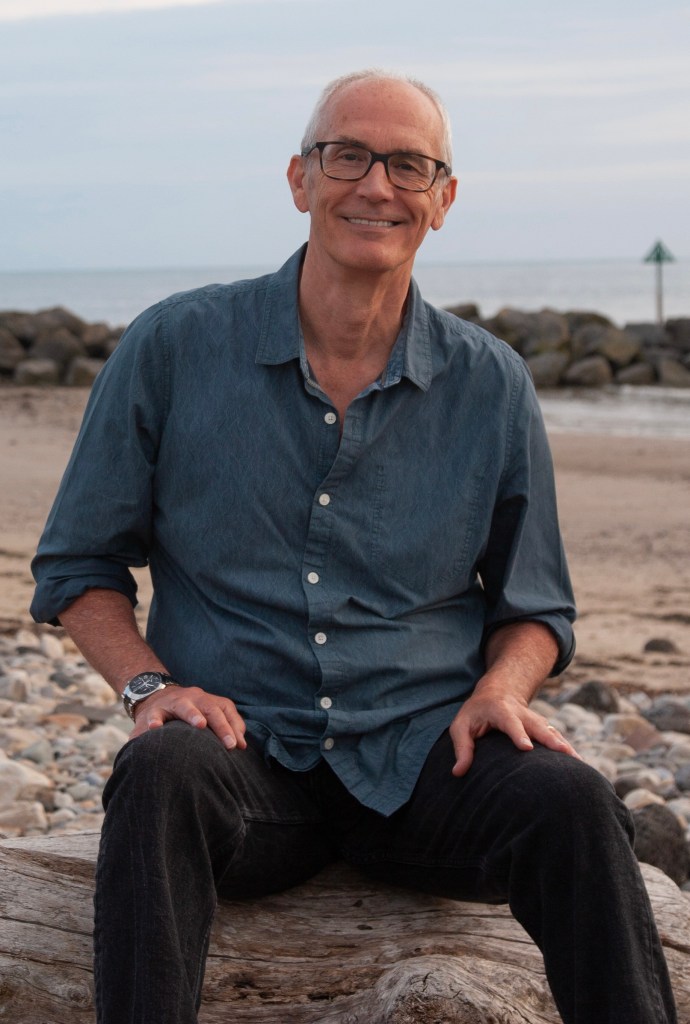
Tell me more about Dr Galbraith and what inspired/informed your depiction of this character.
I think of Dr David Galbraith as the worst kind of criminal. He’s a man without empathy or virtue, with no moral sense of right or wrong and no redeeming features despite a high intelligence well above the average. Galbraith is a predatory paedophile who thinks himself superior to everyone else, almost godlike, at the very top of the evolutionary tree. Through his eyes, it’s only his needs that matter, and he’s willing to go to any lengths to make his grotesque fantasies a reality. His life path is both driven by and dominated by his deviant desires. Abusing young boys is what he lives for, and nothing matters to him more.
As a consultant child psychiatrist working for the child guidance service, Galbraith knows full well that he inflicts serious harm on the many pre-adolescent boys he targets, grooms and assaults, but he doesn’t care. All that matters to him is continuing his offending behaviour, maintaining the carefully contrived facade of professional respectability he presents to the world, and not getting arrested. In his words, getting caught was never a part of the plan. He’s been successfully conning people for years. Why should that change now?
Galbraith isn’t based on any one particular offender I encountered during my twenty-year child protection career. He’s based on several predatory criminals who, like Galbraith, placed themselves in positions of trust and power to facilitate their crimes. I investigated or managed several cases involving high-status professionals, some of whom had been offending for years before getting caught and punished. It was traumatic cases like these that inspired and informed the character.
Tell me more about the theme of coercive control and its prevalence in situations you encountered professionally.
Galbraith uses a combination of toxic, manipulative methods to control his many young victims, preventing them from seeking help from a trusted adult. He does this with depressing efficiency, carefully choosing which children to target, identifying their vulnerabilities and using those against them. His methods include carefully constructed lies, threats of violence and actual violence, all behaviour patterns I encountered more times than I care to count during my child protection career.
In the story, Galbraith treats his young wife much as he treats his child victims. He sees her as an unfortunate necessity, a part of the mask behind which he hides his true nature. He takes pleasure in making her life a misery, isolating her from friends and family, and actively controlling every aspect of her life, destroying her self-esteem and confidence hour by hour, day by day, week by week. The coercive control perpetrated by Galbraith includes violence, threats of violence, humiliation, intimidation and lies. Galbraith uses all of these to his advantage and the destruction of others. He’s a sadist who takes pleasure in the suffering of others. It excites him and turns him on.
Tell me what inspired Anthony’s character.
Anthony is an ordinary seven-year-old boy growing up in a typical Welsh family when he has the terrible misfortune of being targeted by Galbraith. This comes about when Anthony is referred to the child guidance service by the family GP following his parents’ marriage breakdown. Anthony misses his father terribly and, like many children his age, blames himself for the unwelcome changes in his life. He regresses, causing his school and mother a great deal of concern. Galbraith quickly spots those vulnerabilities and seeks to use them to his advantage, manipulating both Anthony and his parents. He actively creates situations where he sees his young patient alone for what he calls “therapy.” All part of his plan.
I didn’t base Anthony on any particular child. He’s like many I have worked with over the years—survivors who suffered at the hands of adults, the vast majority male.
In the story, Galbraith is both devious and cunning, convincing Anthony he is responsible for what happens to him and threatening dire consequences if he seeks help. But, of course, Anthony isn’t to blame. No child ever is. Men like Galbraith bring nothing but misery to the world. He’s no different to many others.
How has your depiction of Anthony’s experience of trauma been shaped by your professional life?
There are far too many Anthonys in this world, children who suffer at the hands of predatory offenders. Every child protection social worker meets children like Anthony repeatedly during their career. I worked to protect many over the years and used those experiences to write the books, shaping the narrative. I hope that gives the three books in the Galbraith series a gritty realism readers will find interesting. But the books do come with a note that some may find them distressing. The subject matter is emotive. Some will find it shocking because the abuse of children is shocking. All three books are dedicated to survivors everywhere.
What made you decide to complete the series with The Father?

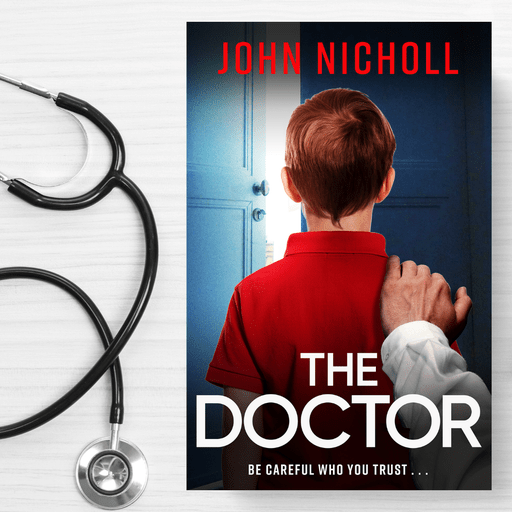
I wrote the first book, The Doctor, after talking to a psychologist about the psychological impact of child protection work. We’d dealt with a particularly traumatic organised abuse case, and she encouraged me to write some of those experiences down as a therapeutic exercise. That diary of sorts eventually became a fictional book, which to my surprise, became a bestseller. I’m particularly pleased that several abuse survivors have told me they are glad I wrote it.
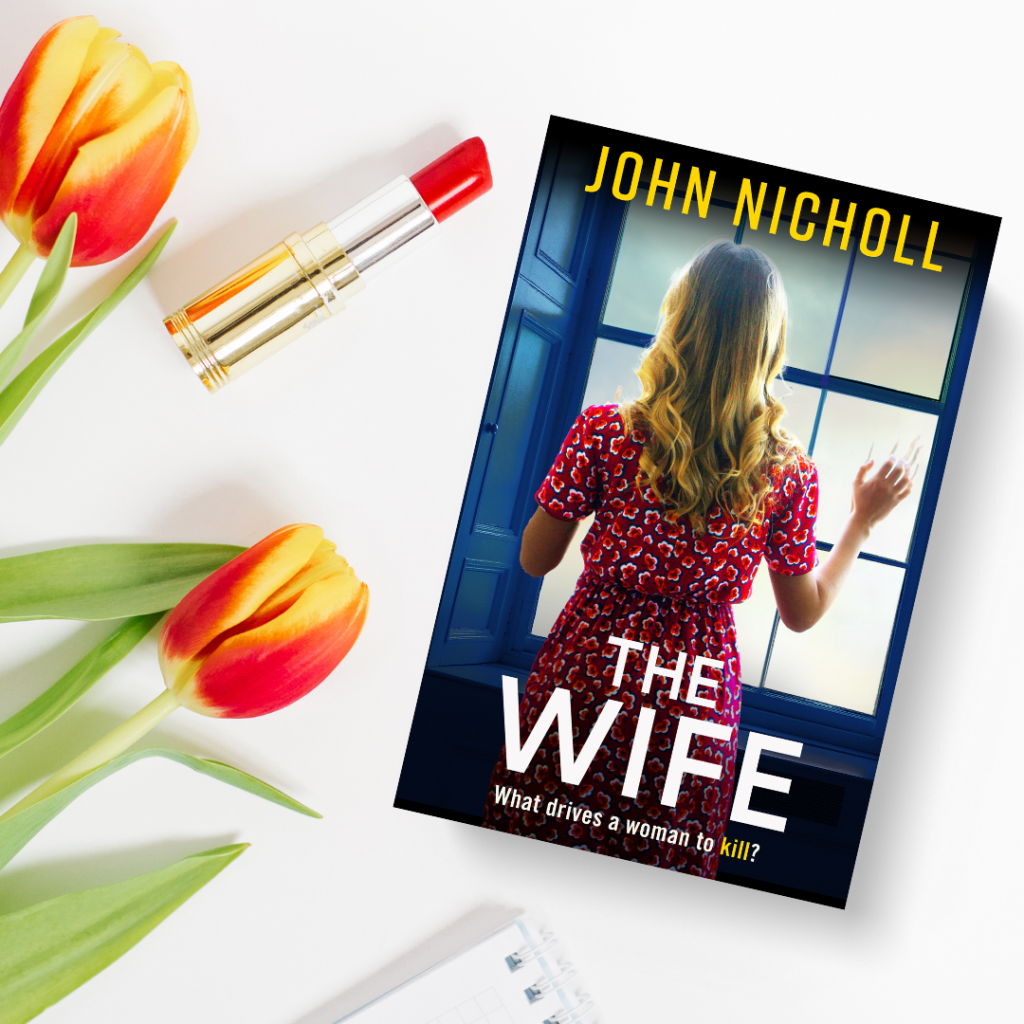
I wrote book two, The Wife, when several readers asked how a woman like Cynthia Galbraith could stay with a monster like her husband. It’s a story of manipulation and control, with some would say a surprising outcome.
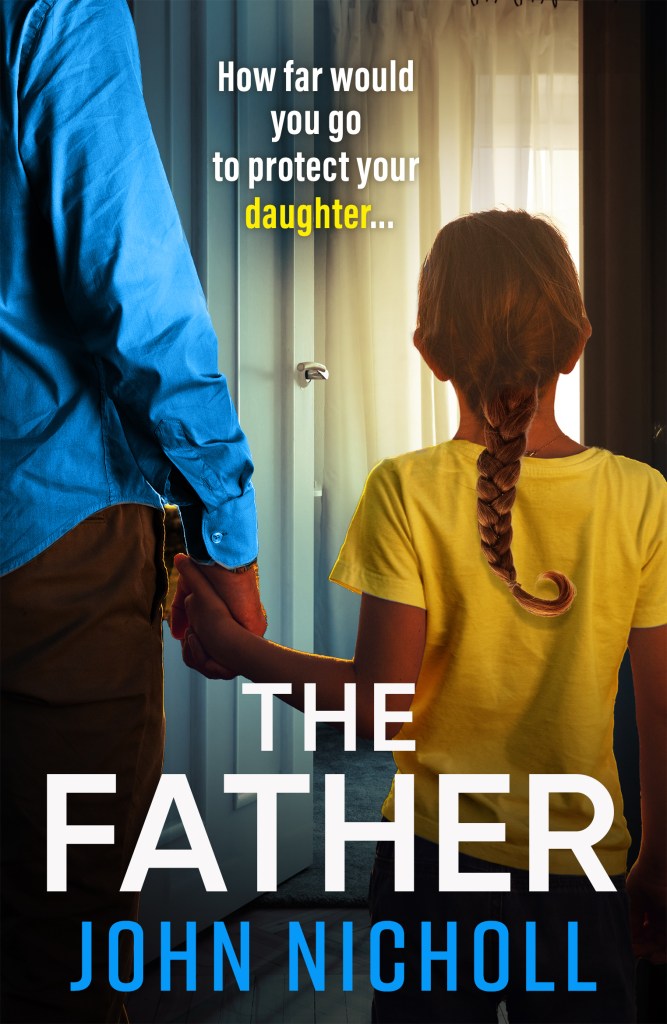
I wrote The Father, the final book in the series, to give Anthony a voice. He’s an adult in the story, a journalist looking back on and trying to make sense of the events which shaped his life, with dramatic and unexpected consequences. I like to think the book brings the story full circle, exploring the long-term destructive implications of Galbraith’s heinous crimes on the many people involved.
What challenges did you face when writing it?
That’s an easy one to answer. As with all the books, writing the brutal plot lines sensitively and without any gratuitous detail was essential. And, if I’m honest, some aspects of the book brought back memories that a part of me thinks were best left in the past.
What did you enjoy about writing it? Is ‘enjoyable’ the right word when describing fiction that tackles such dark topics, bases in life?
I can’t say I enjoyed writing The Father or the previous two books in the series, but I do find the creative process rewarding. In the main, reader responses have been gratifying. And I hope the books are worthwhile. They are written primarily as fast-paced, suspenseful thrillers. But if they help some professionals and parents better understand how cunning, devious and manipulative men like Galbraith can be, that can serve a positive purpose. One of the main messages of the three books is to be careful who you trust. I know from experience it’s a message worth listening to.
What are you working on next?
I’m working on book 15, a standalone thriller based in West Wales and Tenerife, which will be published next year. All my books are published by Boldwood, which recently won Independent Publisher of the Year.
You can read more about John’s work on the following links :-
and at
Twitter @nicholl06
 Crime Cymru