Well, this marks my final intro as blog manager before handing over the reins to the redoubtable David Penny. What finer way than to introduce an item from a regular contributor of blogs and short stories – Crime Cymru’s Eamonn Griffin, who this time has some background reading for those inclined to study the art form/discipline of crime writing :-

Writing about books about writing
It is a truth universally acknowledged that every writer has a book about writing inside them. I’ve read more than a few of ‘em. In part because that’s been an aspect of the day job on and off for the last couple of decades, and in part because I’m nerdy about this sorta thing.
So here’s a few recommendations. Twenty of them. There’s no one single perfect book about writing, but I’ve taken something away from each that I’ve read. Even if it’s a simple “Well I’m never doing any of those things that they say you should do” then that’s a lesson learned, as far as I’m concerned.
The focus here is on prose, though there’s some screenplay-specific material too. I don’t have any recommendations for books on poetry, I’ve tried to swerve anything too textbook-y, and I’m a bit averse to books that approach writing as a means of self-exploration (though I’m told that Bird by Bird by Ann Lamott does well in living up to its subtitled promise of offering “instructions for writing and life”). I like reading about story structure, so this list probably leans towards the structural too. Sorry.
This isn’t meant to be exhaustive. But it’s hopefully the start of a conversation. There’s a comments facility below, after all…
In no particular order, as the awards ceremony emcee is wont to say, here we go:
Ten Things About Writing, by Joanne Harris
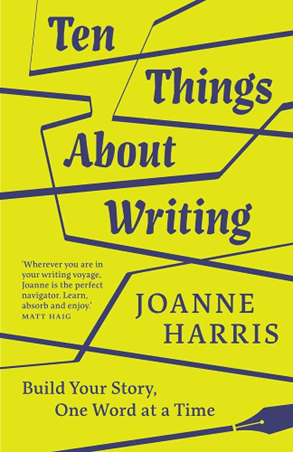
A collection of online threads (originally posted on what used to be called Twitter) on different aspects of writing, the writing life, and on the publishing industry. There’s loads to engage with here, and the seasoned perspective of a professional writer and performer is valuable throughout.
The Science of Storytelling, by Will Storr
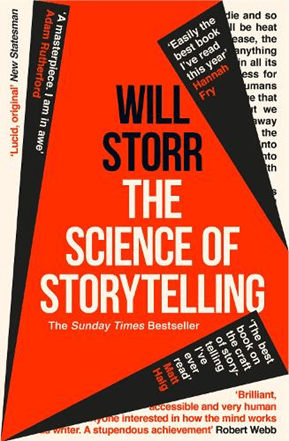
Or, a psychological examination of writing and on both the how and why of storytelling’s effects on the brain. There’s plenty of good stuff here to about the mechanics of writing, especially on structural considerations. Worth at least sampling a few pages in your lunch hour as you browse in Waterstones so find out if this is for you.
The Art of Explanation, by Ros Atkins
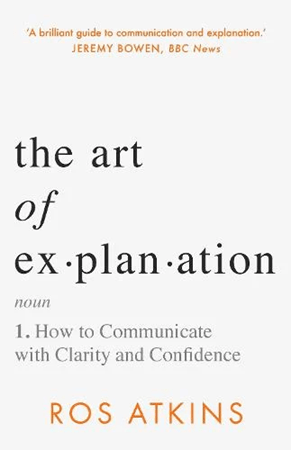
Yep, the BBC News fella who does the explainer videos. As the subtitle promises, there’s a bundle of information and insight about getting your message across with clarity and simplicity without sacrificing detail or complexity. Plenty for writers to engage with, basically.
Damn Fine Story, by Chuck Wendig
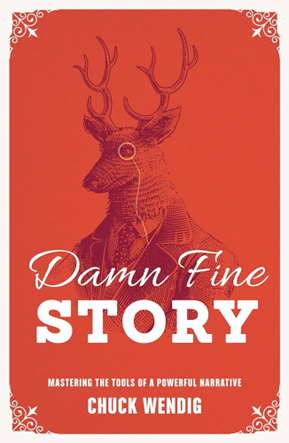
American SF/fantasy/horror author and apple enthusiast (check out his latest novel Black River Orchard for details on this) Wendig has a decent sideline in creative writing how-to books. This is the best of his that I’ve read. Straightforward, clear, and quite often sweary advice.
On Writing, by Stephen King
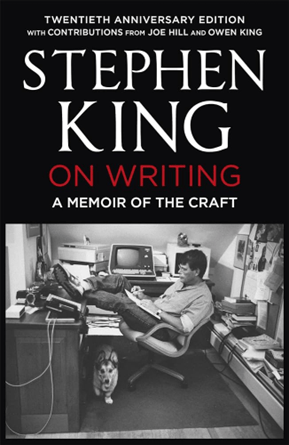
There’s probably a bylaw that states that lists of this sort should have King’s On Writing on them. And if not, then maybe there should be. It’s not for anyone who’s not a King reader, in all fairness, but that’s a sizeable demographic. Besides, latter King’s turn towards crime-infused fiction makes this a valuable read in its own right for those who are averse to horror or the supernatural. Written in the context of his late 90s road accident, this is half-autobiographical account of how he came to be a writer, half a how-I-do book. One of those works that benefits from being sampled in audiobook form, as King’s own narration adds much to the experience.
Writing a Novel, by Nigel Watts
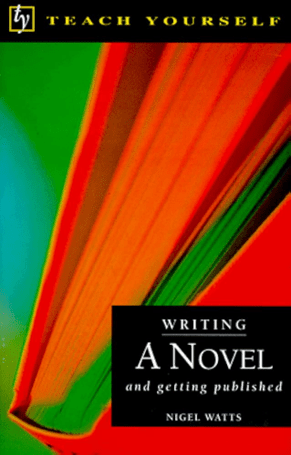
If I had to recommend a single how-to book, it’d be this. Published in the venerable (and still going) Teach Yourself series of primers, this is a great introduction to the basics of novel-writing. Later editions have been expanded by other hands and have to some extent diluted the original. It’s work seeking out a second-hand copy of editions authored solely by Nigel Watts, though.
The Economist Style Guide
You need two style guides. That way you can get involved in the fight they’ll inevitably have about what a gerund is and how long you should cook one for. This is a good ‘un, mind.
Dreyer’s English, by Benjamin Dreyer
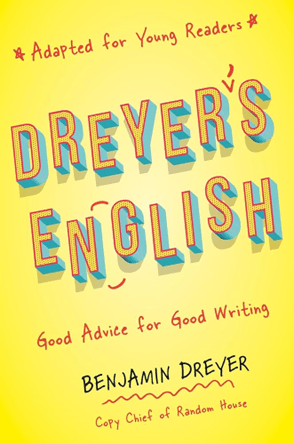
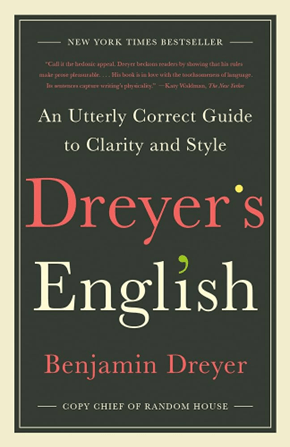
Benjamin Dreyer’s style guide – available now in versions for grown-ups and for younger writers too (as well as a board game adaptation, Stet!) – is terrific. Wise and funny, accessible and grounded in experience in the publishing industry, this is the current state of the art of the stewardship of prose.
Writers beware, mind. Last I heard, there was a follow-up book about writing on its way….
Into The Woods, by John Yorke
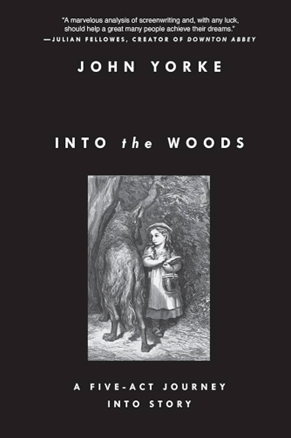
A few years back, the go-to books on narrative structure – and particularly for the screen – were those by the likes of Robert McKee (his Story is authoritative but not especially readable), Christopher Vogler (his The Writer’s Journey updates Joseph W Campbell’s writings on the monomyth in works such as The Hero With A Thousand Faces for contemporary Hollywood), and Syd Field (his Screenplay has been a classic for decades). We can add Into The Woods to this list. Yes, it’s structure-tastic, yes there’s an awful lot about writing for Eastenders in it, but it’s clear, simple, and there’s a brilliant diagram that’s worth the price of the book on its own. A novel-length celebration of the five-act story; this is well worth your time.
The diagram’s on page 256 of the paperback edition by the way.
Monkeys With Typewriters, by Scarlett Thomas
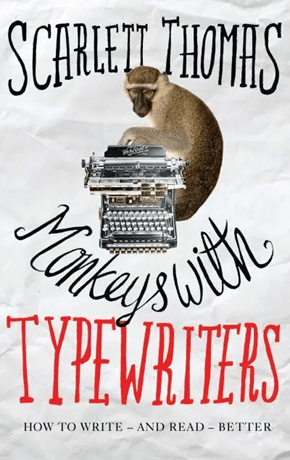
A novelist’s perspective on writing. Especially excellent on story structure. Annoyingly, I couldn’t find my copy when pulling this blog post together, so that’ll mean that I’ll end up buying another.
The Writers’ Toolkit, by Penny Grubb & Danuta Reah (Fantastic Books Publishing, 2012)

A slim volume punching well above its BMI. Especially good about building and releasing tension. There’s a lot here for anyone interested in writing commercial fiction; to some extent this is simply a synthesis of other books seasoned with practical experience, but there are great points made, and some good exercises too. That’s lofty praise from me, as I usually skip those.
Essays in The Art of Writing, by Robert Louis Stevenson
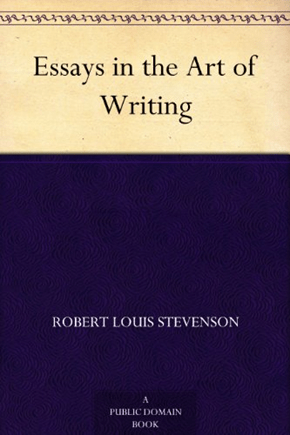
Of its time, doubtless, but a decent example to indicate that writers have been writing about writing ever since someone gave them a chance to.
And besides, anyone who has the chutzpah to open a book about writing with “There is nothing more disenchanting to man than to be shown the springs and mechanism of any art. All our arts and occupations lie wholly on the surface; it is on the surface that we perceive their beauty, fitness, and significance; and to pry below is to be appalled by their emptiness and shocked by the coarseness of the strings and pulleys” gets my vote.
The War of Art, by Steven Pressfield
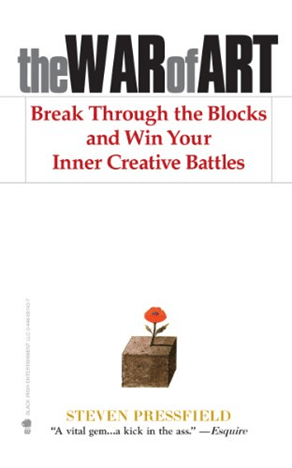
An example of the tough love subgenre of writing advice (or, indeed, advice about any form of creative endeavour). Pressfield’s an excellent historical novelist of the muscular sort, and this book takes a no-nonsense approach to getting stuff done. Except he doesn’t say “stuff”.
A zesty treatise on what Pressfield terms “Resistance”, the active opposition force that stops you doing the thing that you should be doing. Here, writing the book. You’re probably shirking from writing by reading this. Close the tab. Back to the draft, bucko.
Poetics, by Aristotle
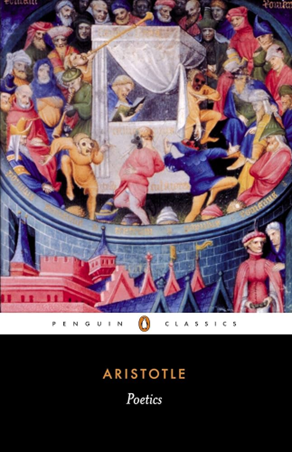
More or less where it all begins, in the Western tradition of writing about storytelling anyway. Plato (or whoever wrote this – there’s debate) got there first and so got a lot right. Well worth at least sampling, if only because of the long shadow these ideas cast.
And if you can get a hold of a copy, the sequel is great too.
Aristotle’s Poetics for Screenwriters, by Michael Tierno
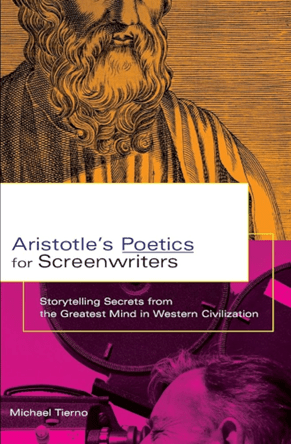
Does exactly what it says on the spine. A re-evaluation of Aristotelian principles of drama for the present-day screenplay. Strong on story structure, cause and effect, and on when and when not to have the Gods turn up to sort it all out.
Yes! No! But Wait! by Tim Lott
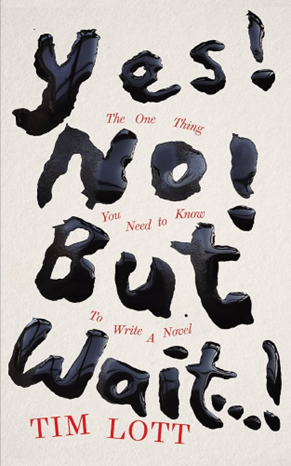
A smart book, this. A modern writer’s view of writing and the books that they’re read about the subject. Plenty of hard-won advice and a useful section in applying the core ideas expressed here to a range of recent novels. And another helpful summary diagram too (page 159 in my paperback copy)!
Refuse to be Done, by Matt Bell

Bought because of a social media recommendation from the above-mentioned Benjamin Dreyer, this is a jewel of a book. How to write a novel in three drafts, guided by two principles. First, when in doubt, rewrite instead of revise. You’ll have to read the book to get access to the second.
Tips from a Publisher: A Guide to Writing, Editing, Submitting and Publishing Your Book, by Scott Pack
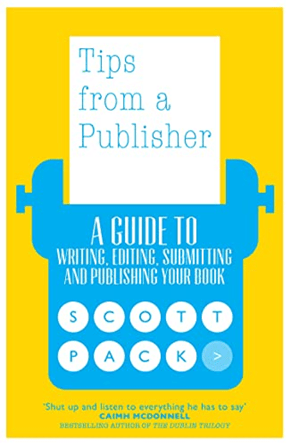
A really useful book, this, from someone who’s been a publisher, a book buyer, and a writer. The best recent book about what publishers are looking for, and how as a writer you might present something to them that has the best chance possible of not being kicked all the way down Mount Slushpile to unsolicited submission base camp.
Writing a Novel & Getting Published For Dummies, by George Green & Lizzy Kremer
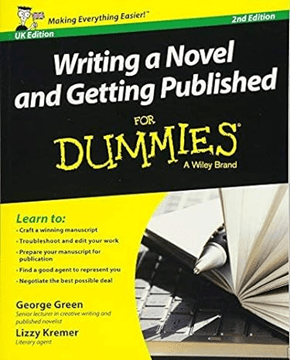
Two for one in excellence here: how to write and to rewrite, and how to engage with the publishing industry. Plus George is an old friend and I be remiss to leave him off this list.
This Year You Write Your Novel, by Walter Mosley
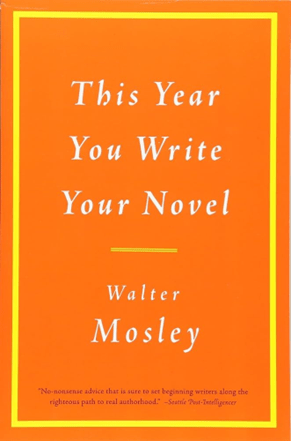
A great little book about getting going with your book, from someone who knows. Mosley’s a fantastic writer, and he’s got some encouraging words for you.
—
There’s a lot here, I know. But this has barely abraded the surface. There’s books and books and books about writing. That should tell you something in itself. That writing is personal but that the urge to express oneself is universal.
Twenty books on writing, communicating, storytelling, and hopefully engaging. On how to do it right, and on how to do it in ways that make sense to others.
Twenty isn’t enough.
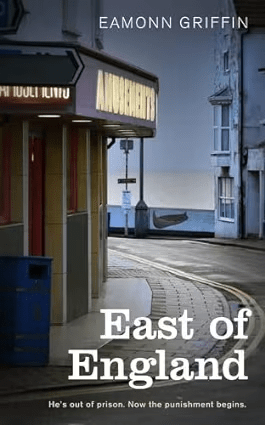
Eamonn Griffin was born and raised in Lincolnshire, though these days he lives in north-east Wales.
He’s worked as a stonemason, a strawberry picker, in plastics factories (everything from packing those little bags for loose change you get from banks to production planning via transport manager via fork-lift driving), in agricultural and industrial laboratories, in a computer games shop, and latterly in further and higher education.
He doesn’t do any of that any more. Instead, he writes fulltime, either as a freelancer, or else on fiction.
Eamonn has collected a PhD, an MA, an assortment of teaching qualifications, and a BSc along the way. He really likes biltong, and has recently returned to learning to play piano, something he abandoned when he was about seven and has regretted since.
 Crime Cymru
Great advice for writers just getting started, Eamonn, thank you!
LikeLike